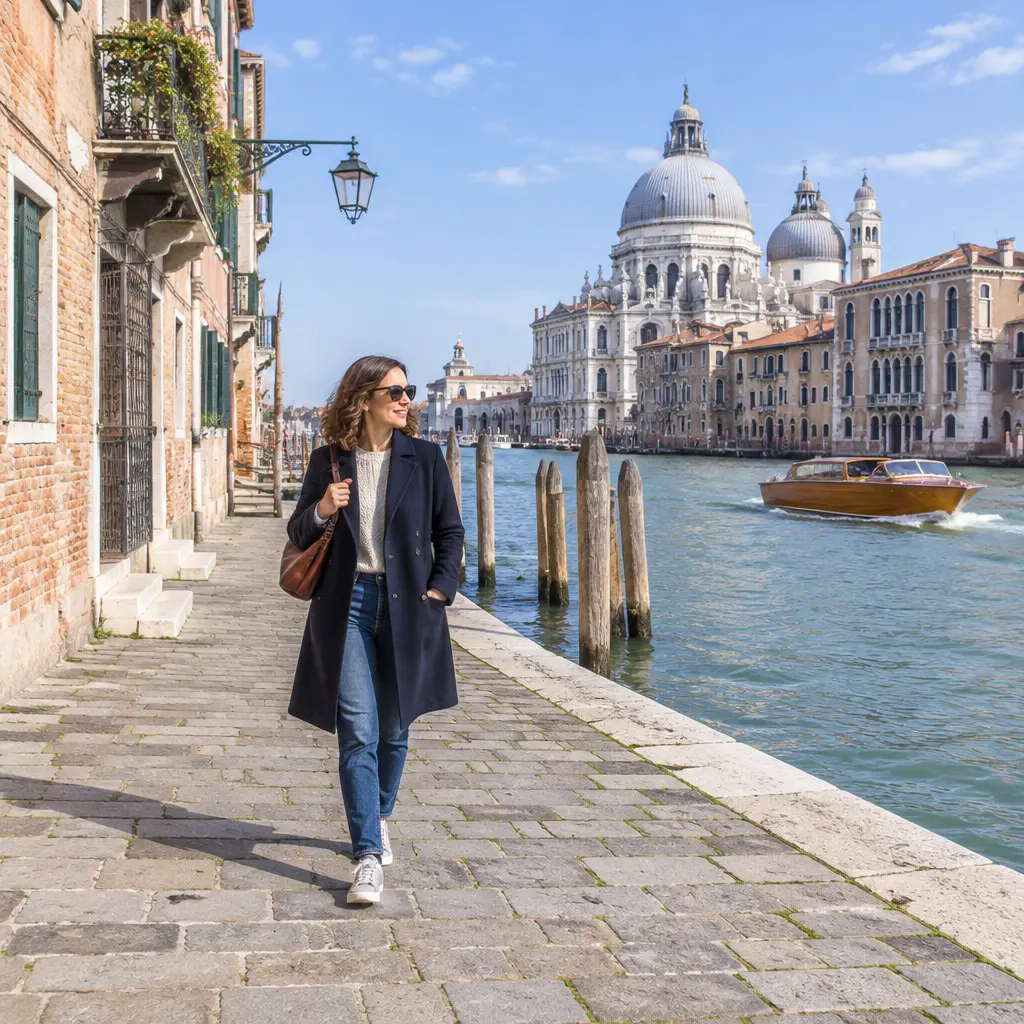
A first trip together is a shared journey away from home that can help two people learn how they travel as a team. To make it memorable, choose a destination and pace that suit both of you, agree on expectations and spending, leave room for individual downtime, and prepare for the practical details. These steps matter because travel can bring both connection and friction: the American Psychological Association’s Stress in America research has repeatedly identified money and work as common sources of stress, while the U.S. Travel Association reports that travel is a significant part of Americans’ lives and the economy. With a little planning, a first getaway can become a meaningful experience rather than a test neither person agreed to take.
Planning Makes a First Trip Together Memorable
A first trip together is not a relationship exam. It is a chance to share new experiences while discovering each other’s preferences around schedules, comfort, spending, and problem-solving. The U.S. Travel Association’s travel research tracks travel’s broad role in American life, but no single itinerary works for every couple. The useful measure of success is whether both travelers feel considered and can enjoy the trip—not whether every moment goes perfectly.
Think of the trip as a small collaboration: decide together, communicate clearly, and keep a backup plan. The following sections cover destination choice, shared expectations, budgeting, logistics, and ways to preserve the good memories without overplanning.
Shared Expectations Shape a First Trip Together
Shared expectations are the agreed-upon assumptions two travelers have about what the trip will involve, including its pace, activities, spending, privacy, and responsibilities. There is no universal expert definition for this relationship-specific phrase, so it is best treated as a practical planning concept. The American Psychological Association’s Stress in America surveys identify money as a recurring stressor for many Americans, underscoring why money conversations belong before departure rather than during a tense restaurant bill.
Expectations become easier to manage when they are separated into specific topics. A packed sightseeing schedule, an unplanned road trip, and a quiet hotel weekend are all valid travel styles—but they are not interchangeable. Discussing them early helps avoid turning different preferences into personal criticism.
Choose a Destination That Suits Both Travelers
Destination compatibility means selecting a place that offers experiences both people genuinely want, while accounting for travel time, accessibility, weather, and cost. Each person can name one must-do activity, one preferred type of setting, and one thing they would rather avoid. Then compare ideas and choose a destination with enough shared appeal.
For example, if one traveler wants museums and the other wants time outdoors, a city with parks, waterfront walks, and cultural attractions may meet both needs. This approach is more useful than choosing a destination solely because it looks impressive in photos.
Match the Itinerary to Your Energy
A realistic itinerary balances planned activities with unscheduled time. The Centers for Disease Control and Prevention’s travel guidance emphasizes considering health needs and preparing for the conditions of a trip; rest, medication, mobility, and climate can all affect how much a traveler can comfortably do. Build in breaks and avoid scheduling every hour, especially when the destination, transport, or daily routine is unfamiliar.
A helpful rule is to identify one priority activity per day, then treat additional plans as optional. A slower morning or an unexpectedly long lunch is not a failed itinerary—it may be the part of the trip both people remember most fondly.
A Trip Budget Supports Better Travel Decisions
A shared trip budget is an estimate of the costs both travelers expect to face and an agreement about how they will divide or manage them. It should cover transportation, lodging, meals, activities, local travel, tips, and a contingency for unexpected expenses. The Consumer Financial Protection Bureau recommends planning around income, expenses, and financial goals; applying that habit to travel can reduce last-minute uncertainty.
Budgeting does not require identical incomes or identical spending preferences. It requires a clear, mutually acceptable plan. Before booking, agree on a comfortable total range and discuss which costs are shared, which are personal, and how you will handle an upgrade or optional activity.
Agree on Shared and Personal Expenses
Shared expenses are costs both travelers agree to incur for the trip, such as a room or rental car; personal expenses are costs each person chooses individually. Couples can split shared costs evenly, assign specific categories, or use another arrangement that feels fair to both. The important part is agreeing before purchases are made.
For example, one traveler might book lodging while the other pays for a rental car, with both checking that the estimated amounts are comparable. Keep receipts or use a shared expense note if that makes settling up easier. Avoid assuming that one person will cover an expense simply because they booked it.
Keep a Small Contingency Fund
A contingency fund is money reserved for plausible surprises, such as a changed transfer, a necessary pharmacy visit, or a weather-related alternative. Its size depends on the destination and the travelers’ finances; there is no single amount that is right for everyone. The U.S. Department of State advises travelers to plan for emergencies and review relevant destination information before departure.
The goal is not to expect trouble but to avoid making a stressful situation harder. Confirm how each person can access funds, and do not rely on a single payment method if a backup is practical.
Communication and Logistics Keep the Trip Comfortable
Travel logistics are the practical arrangements that make a journey possible: reservations, documents, transportation, packing, check-in details, and emergency contacts. The U.S. Department of State’s travel guidance recommends reviewing destination-specific information and ensuring travel documents are in order. A shared checklist can make these tasks visible so they do not silently fall to one person.
Logistics also create useful opportunities to practice communication. Ask rather than assume, share updates when plans change, and discuss small frustrations before they accumulate. A calm check-in can prevent a missed connection or a tired disagreement from defining the whole trip.
Divide Planning Tasks Fairly
Fair task-sharing means dividing the work of researching, booking, packing, and navigating in a way both people understand. One person might compare lodging while the other checks transport options; both should review the final choices. If one traveler has more experience, they can offer help without taking over every decision.
Before leaving, confirm reservation names, arrival times, cancellation rules, and how to reach the accommodation. Save essential details offline when possible. This simple preparation is especially useful when mobile data is unreliable or plans change unexpectedly.
Respect Different Needs for Space and Routine
Personal space on a trip means allowing each traveler time to rest, pursue a separate interest, or follow a familiar routine without interpreting it as rejection. Even people who enjoy traveling together may differ in sleep schedules, social energy, food preferences, or need for quiet. Agree that a short solo walk or a quiet hour is a normal option.
If a disagreement arises, pause and identify the practical issue beneath it: hunger, fatigue, cost, or a mismatched expectation. The Centers for Disease Control and Prevention advises travelers to account for health and safety needs; taking breaks and attending to basic needs can support both well-being and better conversations.
Small Shared Moments Make the Experience Memorable
Memorable travel is not limited to major attractions. It often comes from small, distinctive experiences: finding a neighborhood bakery, taking a scenic detour, learning a local custom, or laughing about a harmless mistake. The U.S. National Park Service’s Leave No Trace principles also offer a useful reminder for outdoor trips: enjoy a place responsibly and help protect it for others.
Choose a few moments to make intentional rather than trying to document every minute. Take photos when you want them, but leave room to be present. A shared note of favorite meals, funny moments, and places to revisit can preserve details that photographs do not capture.
Create One Simple Shared Ritual
A travel ritual is a small repeated activity that gives the trip a personal thread. It might be choosing a local snack each afternoon, taking a morning walk, or asking each other about the day’s favorite moment over dinner. The ritual does not need to be elaborate; its value is that both people participate.
Keep the ritual flexible. If a long travel day makes the planned activity impractical, skip it without turning the schedule into another source of pressure.
Handle Setbacks as a Team
A team response to a setback focuses first on the next useful action rather than blame. Delays, rain, closed attractions, and booking errors can happen even after careful preparation. Check what can be changed, decide who will contact the provider, and choose a backup that fits the time and budget available.
For instance, if bad weather cancels an outdoor plan, find an indoor alternative together and keep the original activity for another visit. How partners handle a minor disruption can reveal whether they communicate respectfully and share responsibility—without making a single travel mishap a verdict on the relationship.
Conclusion: Make Your First Trip Together Your Own
A memorable first trip together starts with shared expectations, a destination that suits both travelers, a realistic itinerary, and an agreed budget. Clear logistics, fair task-sharing, personal downtime, and a flexible response to setbacks make the journey more comfortable. The broader lesson is simple: the best trip is not necessarily the most expensive or adventurous one; it is the one both people help shape.
Before booking, have a short conversation about priorities, spending, pace, and responsibilities. Then choose one experience you are both excited about and leave space for something unplanned. For further preparation, review official destination guidance from the U.S. Department of State and travel-health advice from the Centers for Disease Control and Prevention.
Sources: American Psychological Association, Stress in America, https://www.apa.org/news/press/releases/stress; U.S. Travel Association, Research and Insights, https://www.ustravel.org/research; Centers for Disease Control and Prevention, Travelers’ Health, https://wwwnc.cdc.gov/travel; Consumer Financial Protection Bureau, Budgeting, https://www.consumerfinance.gov/consumer-tools/budgeting/; U.S. Department of State, International Travel, https://travel.state.gov/content/travel/en/international-travel.html; National Park Service, Leave No Trace, https://www.nps.gov/articles/leave-no-trace-seven-principles.htm.