
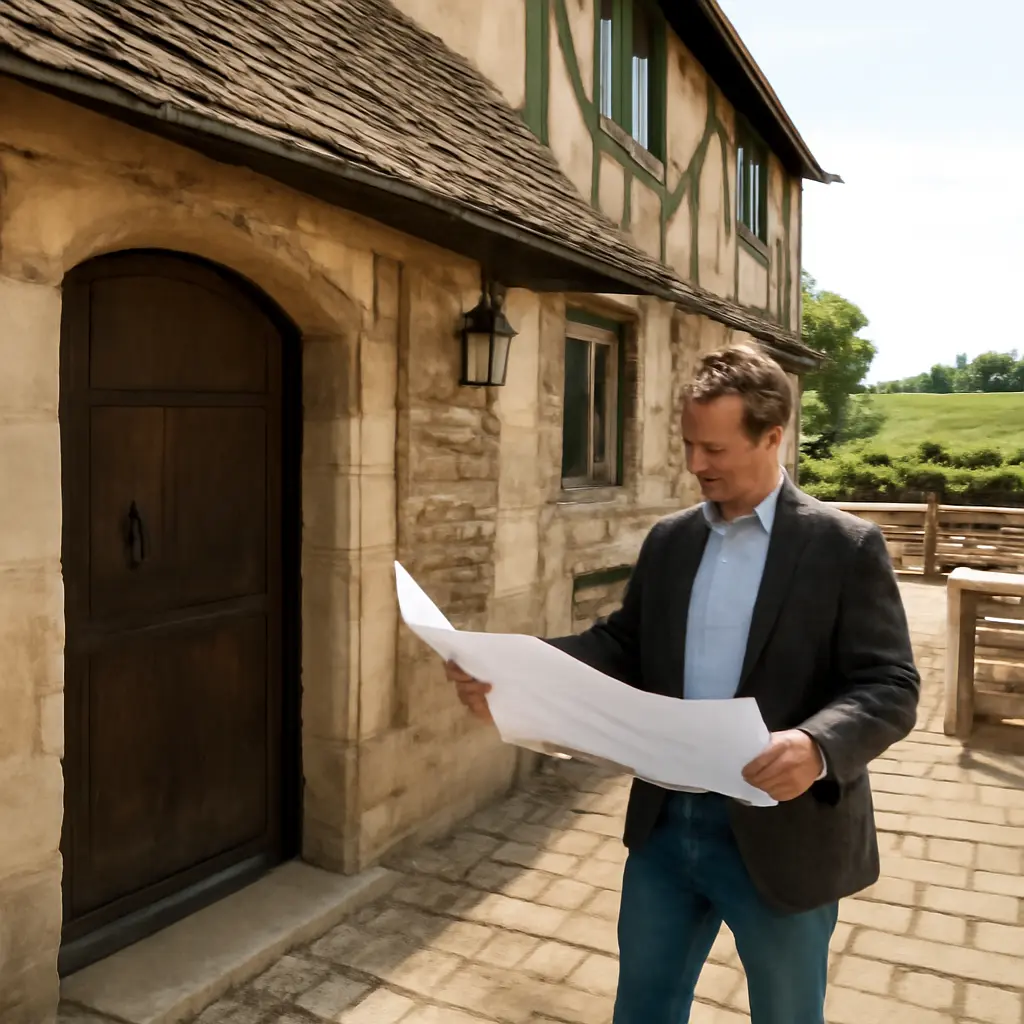
Restored coaching inns are historic roadside lodging houses brought back into use through conservation and adaptation. Over the next decade, their strongest prospects lie in combining heritage character with comfortable, lower-impact stays, local food and experiences, and flexible uses such as events or community spaces. The opportunity is significant: the United Nations World Tourism Organization has described cultural tourism as a major part of international tourism, while the World Travel & Tourism Council reported that travel and tourism contributed 9.1% of global GDP in 2023. Yet success will depend on more than nostalgia: owners must balance conservation, accessibility, climate resilience, operating costs, and changing guest expectations.
Restored coaching inns: heritage value and future direction
A coaching inn historically served travelers and horse-drawn coaches, offering accommodation, meals, stabling, and sometimes fresh horses. Today, the term generally describes a former or purpose-built roadside inn whose historic fabric and hospitality function have been conserved or revived. Historic England’s guidance on adapting historic buildings emphasizes understanding a building’s significance before making changes; that principle is central to responsible inn restoration.
The next decade is likely to favor inns that treat heritage as an operating asset rather than a decorative theme. Their distinctive architecture and local stories can set them apart from standardized accommodation, while modern booking systems, dependable amenities, and strong food and beverage offers make the experience practical. The key measure will be whether these businesses can generate enough year-round income to maintain historic buildings without eroding the features that make them valuable.
What restoration means in hospitality
Restoration is the repair and continued use of a building while respecting its historic character. It may include repairing roofs, timber, masonry, windows, and interiors, alongside carefully planned upgrades to heating, kitchens, bathrooms, fire safety, and accessibility. It is distinct from simply reproducing an old-fashioned appearance: credible restoration is guided by evidence about the building and transparent decisions about what is retained, repaired, or changed.
This distinction matters because historic buildings often contain layers from multiple periods. Conservation principles associated with the ICOMOS Venice Charter call for respect for authentic fabric and careful treatment of additions. For an inn, the practical challenge is to add contemporary services without making historic rooms unusable or compromising significant features.
Why the inn format remains relevant
Coaching inns are usually rooted in a town, village, or historic route, so their appeal can extend beyond overnight stays. A dining room can serve residents as well as guests; a courtyard can host small events; and local walking, cycling, or heritage itineraries can encourage longer visits. This mixed-use character helps diversify revenue and gives restoration a visible role in community life.
The wider travel market provides context, not a guarantee of success. WTTC estimated that travel and tourism supported 330 million jobs worldwide in 2019, before the pandemic, and reported the sector’s recovery to 9.1% of global GDP in 2023. These figures show the sector’s scale, but individual inns still need to demonstrate local demand, competitive pricing, and reliable operations.
Sustainable operation will shape restored coaching inns
Sustainability in a restored inn means reducing environmental impacts while preserving the building and maintaining a viable business. The Historic England approach to energy efficiency in traditional buildings stresses that interventions should be appropriate to the building’s construction and condition. This is important because older solid-wall buildings can behave differently from modern insulated structures; poorly selected measures may trap moisture or damage historic materials.
In practice, the most useful starting point is often an energy and condition assessment, followed by maintenance and operational improvements. These can include draught management, efficient lighting and controls, improved heating schedules, water-saving fittings, and carefully designed insulation where suitable. The right package depends on the building, its designation, its climate, and how it is used.
Energy efficiency and climate adaptation
Energy efficiency reduces the energy needed to provide comfort, hot water, and food service; climate adaptation prepares the property for hazards such as heat, flooding, storms, or water scarcity. Both will become more important as weather risks and energy costs affect the hospitality sector. Owners should consider not only guest rooms but also kitchens, laundry, cellars, roof spaces, drainage, and staff working conditions.
The International Energy Agency identifies buildings as a major source of global energy use and emissions, making building performance an important part of climate action. For a historic inn, however, the goal is not to apply a generic retrofit. Monitoring energy use, maintaining equipment, and choosing reversible or low-risk measures can support lower emissions while protecting heritage fabric.
Local sourcing and lower-impact hospitality
Local sourcing connects the inn’s menus, furnishings, and guest experiences with nearby producers and craftspeople. It can make the business more distinctive and retain more visitor spending in the area, although seasonality, price, and supply reliability must be managed. Menus that change with available produce, clear sourcing information, and partnerships with nearby farms or makers can turn locality into a genuine part of the offer rather than a marketing claim.
Waste prevention is another practical priority. The United Nations Environment Programme’s Food Waste Index Report 2024 estimated that 1.05 billion tonnes of food waste were generated globally in 2022 across households, food service, and retail. Inns can respond by measuring kitchen waste, improving purchasing and portion planning, donating suitable surplus where safe and legal, and separating unavoidable food waste for appropriate treatment.
Guest experience will combine historic character with modern service
The future guest experience at a coaching inn will depend on making historic character usable and comfortable. Guests may value exposed beams, original staircases, traditional dining rooms, and a sense of place, but they also expect accurate online information, dependable Wi-Fi, clean bathrooms, comfortable beds, and responsive service. The best adaptation makes those expectations compatible rather than treating them as competing priorities.
Digital convenience without losing the human welcome
Digital hospitality includes online booking, clear pre-arrival communication, mobile-friendly information, and efficient payment or check-in options. These tools can reduce administrative friction, especially for small teams, but they should not make personal service harder to access. A sensible model lets guests choose self-service convenience while retaining a visible route to staff assistance.
Digital systems also help operators understand demand. Booking patterns, guest feedback, and energy-monitoring data can inform staffing, room pricing, maintenance schedules, and marketing. Data collection should remain proportionate and secure, with clear practices for protecting personal information.
Accessibility and inclusive design
Inclusive design aims to make the inn usable by people with different mobility, sensory, and cognitive needs. Historic layouts can make step-free access, lifts, and accessible bathrooms challenging, but owners can still improve access through careful planning, honest room descriptions, staff training, accessible digital information, and suitable facilities in the parts of the building where change is feasible.
The World Health Organization estimates that 1.3 billion people—about 16% of the global population—experience significant disability. That scale underlines why accessibility is both a social responsibility and a practical consideration for hospitality businesses. Early consultation with access specialists and disabled visitors can identify workable improvements while avoiding expensive changes that fail to address real needs.
Experiences rooted in place
Place-based experiences connect a stay to local history, landscapes, food, and creative life. A restored inn might interpret its former role on a coaching route, partner with nearby museums or walking guides, or host seasonal food events. These activities extend the property’s value beyond its rooms and can encourage guests to explore the surrounding area.
The most credible interpretation is specific and evidence-led. Historic documents, oral histories, architectural features, and community knowledge can help tell a more nuanced story than generic period décor. Collaboration with local residents also helps ensure that tourism supports, rather than displaces or misrepresents, the community.
Business models will become more diversified
A restored coaching inn is more resilient when income does not depend on room sales alone. Food and drink, private dining, meetings, weddings, cultural events, retail, and guided activities can help balance quiet periods and make better use of the building. Diversification must be matched to the property’s size, licensing, staffing, neighbors, and conservation constraints.
Food, events, and community use
Food service can serve both visitors and local residents, giving an inn a role as a social anchor. Events can add income and introduce new customers, but they require careful planning for noise, transport, waste, staffing, and wear on historic interiors. A calendar that mixes public programming with private bookings can spread activity through the year without overloading the building or the community.
Community use also strengthens the case for conserving a landmark. When residents regularly use the dining room, meeting space, or courtyard, the inn’s value is not limited to its tourism function. Operators can test ideas through partnerships with local organizations before committing to costly permanent facilities.
Seasonality, staffing, and financial resilience
Seasonality is the uneven distribution of visitor demand across the year. Inns can mitigate it through weekday dining, off-season packages, small conferences, local events, and experiences that remain attractive in different weather. Financial planning should account for historic-building maintenance, utilities, insurance, repairs, and the cost of recruiting and retaining skilled staff.
The U.S. Bureau of Labor Statistics’ accommodation and food services data illustrate how labor-intensive hospitality is, while national statistics differ by country and business type. For an individual inn, the practical issue is to design an offer that can be delivered consistently by the available team. Cross-training, predictable schedules, apprenticeships, and partnerships with local colleges can support service quality and workforce continuity.
Conservation, policy, and investment will determine what is possible
Conservation-led adaptation is the process of finding viable contemporary uses for historic buildings while protecting their significance. The financial challenge is substantial: an inn may require specialist materials and trades, consent for alterations, and ongoing maintenance that a newer property would not face. The reward is a distinctive asset with cultural value, but investment decisions need realistic assessments of both capital costs and long-term operating income.
Planning consent and professional advice
Planning and heritage controls vary by jurisdiction, building designation, and proposed work. Before construction, owners should establish what permissions are required and seek advice from conservation-accredited architects, engineers, surveyors, and local authorities. Early assessment can reveal structural issues, hidden services, accessibility constraints, and consent requirements before they become expensive surprises.
A conservation plan can document significant features, assess risks, and set priorities for repair and adaptation. It also gives funders, operators, and local partners a shared basis for decisions. Where grant programs or tax incentives exist, eligibility and deadlines should be verified directly with the relevant public bodies because schemes change over time.
Measuring success beyond occupancy
Occupancy measures the share of available rooms sold, but it does not show whether the business is financially healthy, environmentally responsible, or beneficial to its community. A stronger scorecard can combine operating measures—such as revenue per available room and labor costs—with energy and water use, maintenance completion, guest feedback, staff retention, local purchasing, and participation in community activities.
These measures help owners distinguish short-term popularity from durable performance. For example, a busy season may conceal deferred repairs or unsustainable staffing, while a lower-carbon upgrade may reduce costs over several years. Publishing selected results can also build trust with guests, employees, neighbors, and conservation partners.
Conclusion: a practical future for restored coaching inns
Restored coaching inns are heading toward a model that joins conservation with contemporary hospitality. Their heritage value gives them a distinctive foundation; energy and climate planning can protect the asset and reduce operating risk; inclusive, digitally supported service can meet changing guest expectations; and diversified income can strengthen year-round resilience. Success will depend on adapting each property to its own history, location, building condition, and community.
Owners and communities can take practical next steps: commission a condition and energy assessment, consult conservation and access specialists early, measure operational performance, and build partnerships with local producers and cultural organizations. For further reading, consult national heritage authorities’ guidance on historic-building adaptation, the UN Environment Programme’s food-waste research, and the World Health Organization’s disability data. The next decade’s most successful inns will not simply look historic; they will keep historic places useful, welcoming, and financially maintainable.
Sources: Historic England, Adapting Historic Buildings for Energy and Carbon Efficiency, https://historicengland.org.uk/advice/technical-advice/energy-efficiency-and-historic-buildings/; International Council on Monuments and Sites (ICOMOS), International Charter for the Conservation and Restoration of Monuments and Sites (The Venice Charter), https://www.icomos.org/images/DOCUMENTS/Charters/venice_e.pdf; World Travel & Tourism Council, Economic Impact Research, https://wttc.org/research/economic-impact; International Energy Agency, Buildings, https://www.iea.org/energy-system/buildings; United Nations Environment Programme, Food Waste Index Report 2024, https://www.unep.org/resources/publication/food-waste-index-report-2024; World Health Organization, Disability, https://www.who.int/news-room/fact-sheets/detail/disability-and-health; U.S. Bureau of Labor Statistics, Accommodation and Food Services, https://www.bls.gov/iag/tgs/iag70.htm.


