
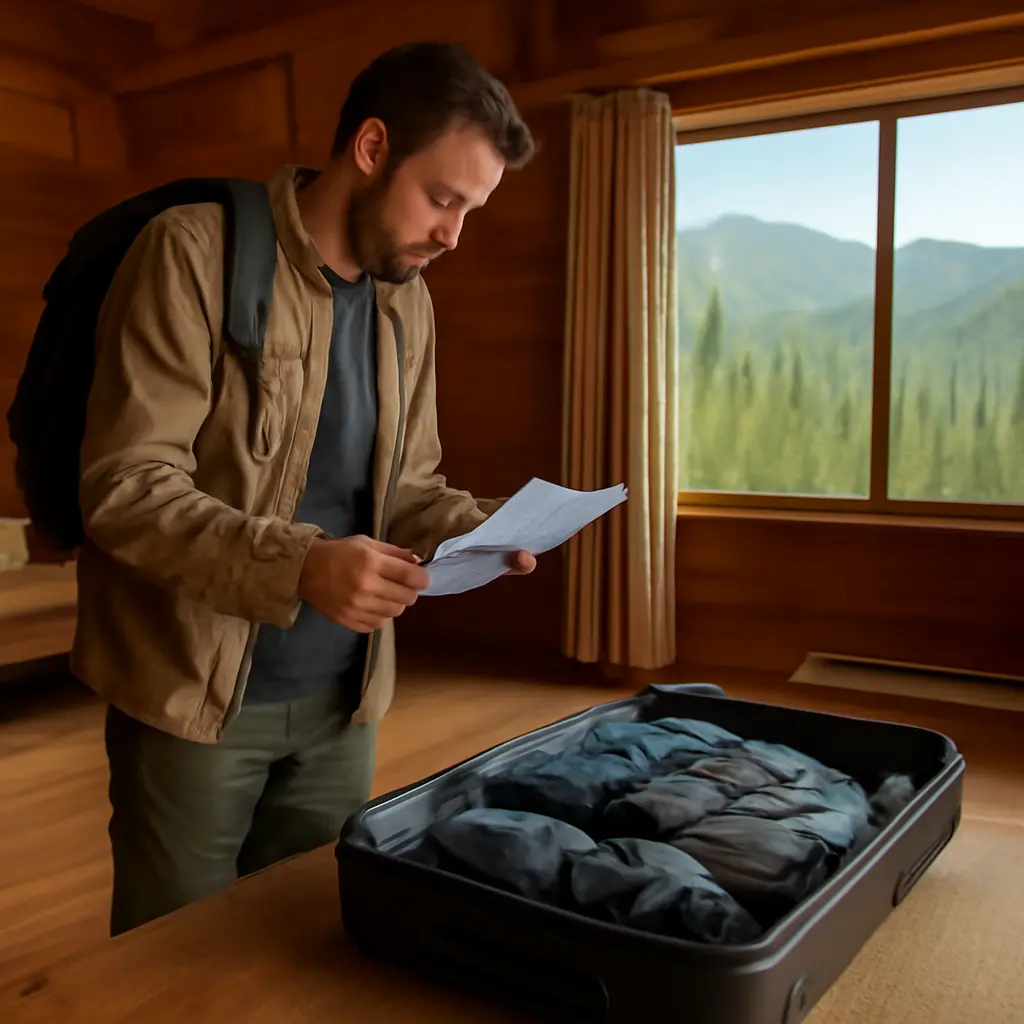
A lodge visit is a stay at a lodging property—often in a natural or recreational setting—where comfort, activities, and practical logistics depend partly on what guests bring and how they prepare. Common mistakes include assuming every lodge supplies the same essentials, packing for the wrong weather, and overlooking arrival or activity requirements. Better habits start with checking the property’s instructions, packing in layers, protecting important items from moisture, and keeping medications and travel documents accessible. These steps matter: the U.S. National Park Service says weather can change quickly in mountain environments, while the National Weather Service advises travelers to plan for conditions and hazards specific to their destination.
Lodge Visit Preparation: What Guests Should Know
Preparation means matching your luggage and plans to the lodge’s amenities, location, season, and activities. “Lodge” can describe very different stays, from a full-service resort to a remote cabin with limited supplies. The property’s own packing list is therefore more useful than a generic checklist. Confirm what is provided, what is available for purchase or rent, and whether meals, linens, towels, or housekeeping are included.
The Centers for Disease Control and Prevention (CDC) recommends that travelers plan for health needs before departure, including carrying necessary medicines and knowing how to access care. That advice is especially relevant when a lodge is far from a pharmacy or medical facility. A useful planning graphic would compare “provided,” “bring,” and “confirm with the lodge” items; the distinction helps prevent both forgotten essentials and unnecessary overpacking.
Confirm amenities and lodge rules
Amenities are the facilities and supplies included with a stay, such as bedding, towels, toiletries, Wi-Fi, kitchen equipment, or laundry access. Do not assume that a lodge’s name or price guarantees a particular level of service. Review the booking details and contact the property about check-in hours, parking, meal arrangements, pet policies, fire restrictions, and equipment rentals. For remote properties, ask whether drinking water and mobile service are available.
A frequent mistake is packing bulky duplicates—such as extra towels or cooking gear—while missing a small required item, such as a headlamp or reusable water bottle. A short confirmation message to the lodge can resolve uncertainties before departure.
Plan around weather and activities
Activity-based packing means selecting clothing and equipment for the conditions and planned pursuits, rather than relying on the forecast for the arrival day alone. Mountain, forest, and lakeside weather can vary during a single visit. The National Park Service advises visitors to prepare for changing conditions and to bring suitable layers; the National Weather Service also emphasizes checking local forecasts and warnings.
For hiking, fishing, skiing, or wildlife viewing, check the lodge’s guidance on footwear, permits, safety equipment, and rental availability. A common error is assuming ordinary sneakers will work on wet, uneven trails. Another is packing heavy clothing without a moisture-managing base layer or rain protection. Confirm activity conditions close to departure and follow local safety notices.
Lodge Packing Habits: Avoiding Common Mistakes
Packing habits are the repeatable choices used to select, organize, and protect belongings for a trip. Better habits reduce forgotten essentials and make it easier to find items after arrival. The most useful approach is to pack by function—clothing, health, documents, activity gear, and comfort—then check each group against the lodge’s information and the trip itinerary.
Avoid overpacking and unverified assumptions
Overpacking means bringing more than the stay requires, adding weight and making luggage harder to manage. Guests often bring duplicate toiletries, multiple “just in case” outfits, or equipment already supplied by the lodge. Build a list from confirmed amenities, planned activities, and the length of the stay. Choose versatile garments that can be layered and reworn when appropriate.
A practical rule is to separate essentials from optional comforts. Essentials include medication, identification, payment methods, and clothing suited to the forecast; optional items may include extra books or specialty gear. If baggage limits apply to a flight or shuttle, check the carrier’s current rules rather than relying on memory.
Pack for changing conditions and keep gear dry
Layering is the practice of combining clothing layers that can be added or removed as temperature and activity change. A base layer helps manage moisture, an insulating layer retains warmth, and an outer layer protects against wind or rain. Pack spare socks and a waterproof bag for damp clothing or electronics. These simple choices are more adaptable than relying on one thick garment.
Guests should also protect equipment from mud, snow, and accidental spills. Keep electronics, chargers, and documents in separate dry bags or pouches, and avoid leaving valuables visible in a vehicle. For outdoor activities, follow the lodge’s and land manager’s instructions about equipment, wildlife, and fire safety.
Keep health, documents, and arrival essentials accessible
An accessible essentials kit is a small, easy-to-reach group of items needed during travel or soon after arrival. Include identification, booking details, payment cards, prescribed medication, a basic first-aid supply, a phone charger, and any critical health information. The CDC advises travelers to plan for medicines and health needs ahead of time; do not pack essential medication in checked baggage when traveling by air.
Another avoidable mistake is arriving after reception closes or without directions for a property with limited signage. Save the lodge’s contact information and arrival instructions offline, confirm the check-in window, and share the route with someone when traveling to a remote area. If the trip crosses regions with limited connectivity, download maps before leaving service.
Use a simple pre-departure checklist
A checklist turns preparation into a repeatable process. The following sequence helps catch common omissions without encouraging excess luggage:
- Confirm what the lodge supplies and review its rules.
- Check the forecast, activity requirements, and local advisories.
- Pack clothing in layers and protect items that must stay dry.
- Keep medication, identification, booking details, and chargers accessible.
- Verify transportation, arrival time, parking, and after-hours instructions.
- Remove unneeded duplicates and recheck baggage or shuttle limits.
Conclusion: Better Lodge Visits Begin Before Departure
A successful lodge visit depends on preparation that fits the property and the setting. Confirming amenities and rules prevents false assumptions; planning around weather and activities helps guests choose appropriate gear; and thoughtful packing keeps essentials organized without excess. Before leaving, check the lodge’s latest instructions, review local forecasts and advisories, and use a brief checklist. These habits make travel smoother and support safer, more comfortable stays.
Sources: U.S. National Park Service, Weather and Climate, https://www.nps.gov/articles/000/weather-and-climate.htm; National Weather Service, Travel Safety, https://www.weather.gov/safety/; Centers for Disease Control and Prevention, Travelers’ Health: Travel Health Kits, https://wwwnc.cdc.gov/travel/page/pack-smart; Centers for Disease Control and Prevention, Travelers’ Health: Travel Preparations, https://wwwnc.cdc.gov/travel/page/travel-preparation.


