
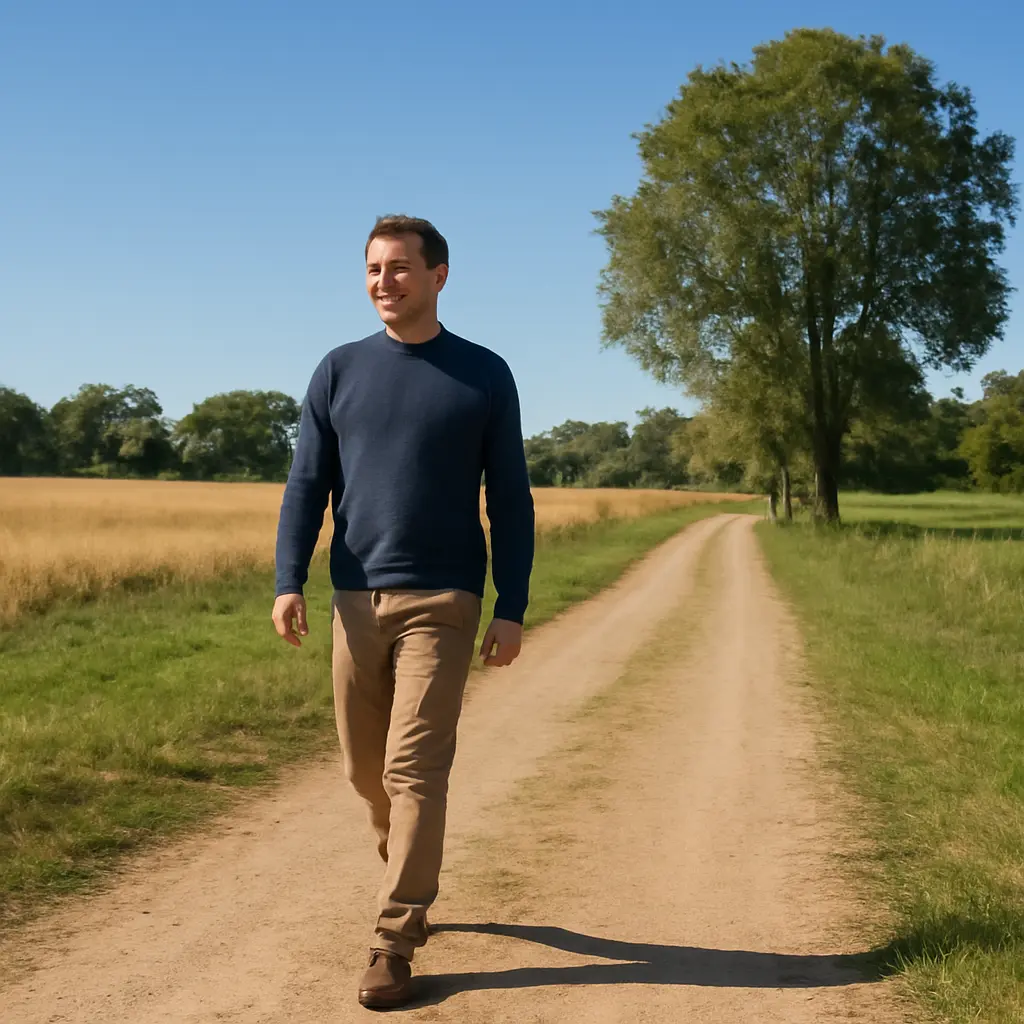
A quiet weekend in the country is a short, restorative stay in a rural setting, where natural surroundings and a slower pace can make relaxation feel less scheduled than a spa day. Neither option is universally better, but country breaks offer a compelling mix of nature, gentle movement, sleep, and freedom from appointments. Research links time in nature with improved well-being, while the U.S. Environmental Protection Agency reports that Americans spend about 90% of their time indoors—making an outdoor change of scene meaningful. This comparison looks at why rural weekends can feel restorative, what spa days do well, and how to choose or plan a break that suits your needs.
Country weekends support relaxation through nature and a slower pace
A country weekend is a brief leisure stay in a rural or semi-rural place, commonly involving overnight accommodation and optional activities such as walking, reading, cooking, or visiting local attractions. It is not a clinical treatment; its restorative value depends on personal preference, access to nature, comfort, and the chance to step away from everyday demands. The American Psychological Association’s review of research on nature and psychological health describes evidence connecting exposure to natural settings with benefits such as reduced stress and improved mood, while also noting that outcomes vary by person and context.
The key distinction from a spa day is how relaxation is organized. A spa typically offers planned services—such as massage or thermal bathing—whereas a rural break can leave more room for unstructured time. That difference matters for people who find schedules tiring, but spa services may be preferable for anyone who values expert care, a warm indoor setting, or a specific treatment.
Nature exposure and everyday stress
Nature exposure means spending time in or viewing natural environments, including parks, woodland, farmland, and waterside settings. A 2019 study in Scientific Reports found that people who reported spending at least 120 minutes a week in nature were more likely to report good health and well-being than those reporting no nature visits. The result is an association, not proof that a particular weekend causes better health, but it offers a practical benchmark: a country break can make it easier to accumulate outdoor time across several walks or quiet pauses.
The U.S. Environmental Protection Agency’s estimate that people spend roughly 90% of their time indoors also helps explain why a change of setting can feel significant. A rural weekend does not need a demanding itinerary: sitting in a garden, watching the weather, or taking a short walk can provide contact with the outdoors without turning rest into another task.
Unstructured time and gentle activity
Unstructured time is leisure without a fixed sequence of appointments or performance goals. In the countryside, it may mean choosing a walk when the weather is pleasant and returning to a book or meal when it is not. Gentle activity—such as walking, gardening, or an easy cycle—can add movement without requiring the intensity or equipment of a formal workout. The World Health Organization recommends that adults aim for 150 to 300 minutes of moderate-intensity aerobic physical activity per week, but a restful weekend should not be treated as a substitute for the full public-health recommendation.
This flexibility is one reason rural stays appeal to people who feel over-scheduled. The benefit is not that every countryside activity is inherently relaxing; driving long distances, strenuous hikes, or packed sightseeing can be tiring. The restorative version is the one that leaves enough time for recovery and lets guests adjust plans to their energy.
Spa days offer targeted comfort, while rural breaks offer broader choice
A spa day is a short visit to a facility offering relaxation or wellness services, often including massage, sauna, hydrotherapy, or quiet lounges. The Global Wellness Institute describes wellness tourism as travel associated with maintaining or enhancing personal well-being; a spa visit is one familiar expression of that wider category. A spa can provide convenient access to services in a controlled environment, while a country weekend combines accommodation, surroundings, and self-directed leisure.
These options overlap rather than compete absolutely. A rural inn may have a spa, and a spa day may take place in a leafy setting. The useful comparison is therefore between the experience a person wants: a focused treatment, a change of scene, or a mixture of both.
When a spa day may be the better fit
Spa services can be a good choice for people seeking a specific treatment, limited travel, or a warm and accessible indoor environment. A massage may feel relaxing, but it should not be presented as a cure for medical conditions; anyone with health concerns should consult a qualified clinician and tell the spa about relevant conditions before booking. Spa facilities also vary in quality, accessibility, price, and noise level, so checking the schedule and treatment details beforehand helps avoid disappointment.
A spa day is also more time-efficient. It can fit into one day without an overnight stay, which may suit people with caregiving duties or limited leave. For someone who finds planning a trip stressful, a pre-arranged service can be simpler than choosing accommodation, meals, and transport.
When a quiet countryside stay may feel more restorative
A rural stay may be a stronger choice when the desired outcome is distance from routine, privacy, and time outdoors rather than a particular treatment. It can also support shared relaxation: friends or family can spend time together without needing to book identical services. A useful real-world example is a low-key two-night stay near a walking trail, with one planned outing each day and open time around it. The structure creates an easy anchor while avoiding the pressure of a packed itinerary.
There are trade-offs. Rural accommodation may require a car, access to restaurants or shops can be limited, and weather can disrupt outdoor plans. A spa can be more predictable and may be more accessible for people who cannot comfortably walk outdoors. Choosing based on transport, mobility, budget, and personal comfort is more reliable than assuming that one setting relaxes everyone.
Planning a restorative country weekend makes the difference
A restorative weekend is one planned around recovery rather than maximizing activities. The National Sleep Foundation recommends that most adults get at least seven hours of sleep per night, and a quiet stay can support a regular sleep routine when guests limit late-night travel, noise, and overly ambitious plans. Accommodation quality, light, temperature, and personal sleep needs still matter; a rural location alone does not guarantee better sleep.
Keep the itinerary deliberately light
Choose one or two simple activities, such as a gentle walk, a local meal, or time in a garden, then leave space between them. This protects the main purpose of the break: having time that does not need to be optimized. For a visual planning aid, a simple comparison chart could map each option against travel time, cost, outdoor access, treatment availability, and flexibility; the best choice is the one that scores well on the needs that matter most to the traveler.
Reduce friction before departure
Check the route, weather, meal options, accessibility, and mobile coverage in advance. Pack for changing conditions and bring familiar sleep essentials if they help. To preserve the sense of escape, agree on a modest approach to work messages and social media before leaving. These practical steps reduce avoidable stress without requiring a luxury property or elaborate wellness program.
Conclusion: Choose the kind of rest you actually need
Quiet country weekends can beat spa days for pure relaxation when someone values nature, flexible time, and a break from routine. Research on nature exposure and well-being supports the appeal of spending time outdoors, while spa days remain useful for convenient, targeted services and a predictable indoor setting. The strongest choice depends on personal needs, mobility, budget, travel tolerance, and the kind of rest that feels restorative. Start by planning a simple rural stay with generous unscheduled time—or choose a spa if a focused treatment is what you need—and notice which experience leaves you feeling more refreshed.
Sources: U.S. Environmental Protection Agency, “Indoor Air Quality,” https://www.epa.gov/report-environment/indoor-air-quality; White, M. P. et al., “Spending at least 120 minutes a week in nature is associated with good health and wellbeing,” Scientific Reports, 2019, https://www.nature.com/articles/s41598-019-44097-3; American Psychological Association, “Nurtured by nature,” 2020, https://www.apa.org/monitor/2020/04/nurtured-nature; World Health Organization, “Physical activity,” 2024, https://www.who.int/news-room/fact-sheets/detail/physical-activity; Global Wellness Institute, “Global Wellness Tourism Economy,” https://globalwellnessinstitute.org/industry-research/global-wellness-tourism-economy/; National Sleep Foundation, “How Much Sleep Do You Really Need?,” https://www.thensf.org/how-many-hours-of-sleep-do-you-really-need/


